
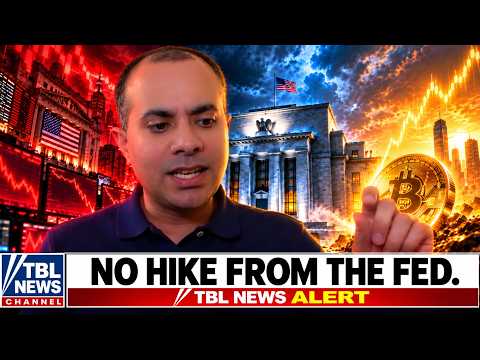
Wall Street Has No Idea What the Fed Is Doing Anymore
The Federal Reserve held interest rates steady in a 10-2 vote, with two members favoring a hike. Kevin Warsh's press conference sparked outrage, especially among Bloomberg anchors, who criticized three key points:
- Communication style: Warsh only answered one question per journalist, causing chaos.
- Lack of explanation: He didn't directly justify the hold despite data supporting a hike.
- Power dynamics: Bloomberg speculated that other Fed members like John Williams and Philip Jefferson actually control monetary policy.
Despite criticism, Warsh's decision has a sound rationale:
- Tightening financial conditions: Rising credit costs and credit spreads make financing harder.
- Watching the Korean stock market: Warsh signaled close monitoring of its impact on the tech-finance chain.
- Patient approach: The Fed wants to see how prior hikes affect the broader economy.
Warsh sees a shift in market correlations: oil no longer drives rates as strongly as before. Instead, growth narratives, AI expansion, and credit spreads take center stage. He believes he can repeat Jerome Powell's soft landing – fostering the AI boom without reigniting inflation.
Implications for BitcoinThe Bitcoin Layer tracks four price drivers:
- Short-term volatility: Now signalling a buy zone.
- Liquidity cycles: Long-term liquidity is significantly declining – a warning.
- Bitcoin cycle: Currently cheap despite bear territory.
- Yield curve and credit spreads: Today's steeper yield curve suggests the Fed isn't overly aggressive – easing liquidity and potentially supporting Bitcoin's price.
Wall Street is unsettled by Warsh's unconventional communication, but the Fed's pause is economically justified. For Bitcoin, liquidity remains crucial – short-term signals are more positive, yet the long-term outlook stays cautious.


