Nofinity Logo
Onboarding

Welcome to Nofinity

Your premium hub to transform hours of YouTube video into concise, 5-minute text summaries. Build your custom expert feed!

1. Skip the Video

Save hours of watching. Read compact, AI-powered key takeaways in a premium magazine layout – completely ad-free.

2. Custom Feed

Subscribe to top experts in the Explore area to curate your personal, dynamically updating video feed.

3. Suggest Channels

Propose new YouTube channels. Once approved, our system automatically ingests and summarizes new uploads.

Latest Analyses(6)

Why Heating is Getting MORE EXPENSIVE (and what you can do about it)
Finanzfluss|04. Okt.

Why Heating is Getting MORE EXPENSIVE (and what you can do about it)

Why Heating is Getting More Expensive (And What You Can Do About It)

The Current Situation: Are Heating Costs Exploding?
  • Gas price increase: The gas price has risen by two and a half times since January 2025.
  • Main reason: The conflict in Iran and the blockade of the Strait of Hormuz, through which a quarter of the world's shipped oil and a fifth of its liquefied natural gas (LNG) passes.
  • Global impact: Although Germany is hardly directly affected, global market prices are rising for everyone.
  • Gas storage: The targeted fill level of 80% before winter is not expected to be reached.
Specific Costs for a Sample Apartment (70 m²)
Energy SourceProjected Costs 2026Price Change vs. Previous Year
Heating Oil1,275 €+24 %
District Heating1,310 €hardly more expensive
Wood Pelletsincreasing+17 %
Natural Gas (existing customers)decreasing (temporarily)-4 %
Heat Pump735 €+3 %

Important: The average gas price is falling temporarily for existing customers because utilities purchased cheaply and the gas storage levy was dropped. However, new customer tariffs are over a third more expensive. Price increases of 10-20% are expected for existing customers at the turn of the year.

Additional Cost Drivers
  • Network charges: Make up about one-fifth of the gas price and have risen by 10%.
  • CO₂ price: Was 55 € per ton in 2025, currently between 55 and 65 € per ton in 2026.
What Can You Do? 10 Saving Tips

Free & Easy Tips

  1. Bleed your radiators: Especially important on upper floors. Air in the system reduces efficiency. Easily done with a radiator key from a hardware store.
  2. Ventilate properly: Open windows wide several times a day instead of leaving them tilted constantly. A hygrometer helps monitor humidity and prevent mold.
  3. Heat strategically: Every degree you lower the thermostat saves roughly 6% heating energy. Heat rooms according to their use (see recommendations from the German Environment Agency).
  4. Circulate the air (with high ceilings): A fan on a low setting distributes warm air more effectively in the room.
  5. Close stairwell and apartment doors: Prevents cold drafts and heat loss.

Tips with a Small Budget & Effort

  1. Seal windows and doors: Check for drafts (e.g., with a strip of paper) and seal them with draft excluder tape from a hardware store. Savings: approx. 13 € per window per year.
  2. Use a low-flow shower head: Reduces hot water consumption (approx. 12% of energy use) and saves money.

Financial & Strategic Tips

  1. Secure current prices: If you have your own gas contract, switch to a tariff with a price guarantee to lock in the current rate for a year.
  2. Check your utility bill!
    • Deadline: Your landlord must present the bill for 2025 by Dec 31, 2026. If it is late (due to their fault), you don't have to pay the balance.
    • Apportionment: Check if costs are distributed fairly.
    • Disallowed costs: Repair costs, bank charges, or postage cannot be passed on by the landlord.
    • Right to reduce payment: If heating costs are not billed based on consumption, you can reduce your share by 15%.
  3. Adjust monthly advance payments: Increase your monthly payments or build a small reserve in a savings account to avoid unexpected large bills.
Conclusion

You are not helpless against the price increases. With the tips mentioned alone, an average of 465 € per year per apartment can be saved. Act now, because your consumption this winter will determine the amount of your additional payment in 2027/2028.


Further Information:
  • The full interview with energy economist Malte Küper is available on the Finanzus podcast.
  • A detailed guide on checking your utility bill is available in the newsletter.
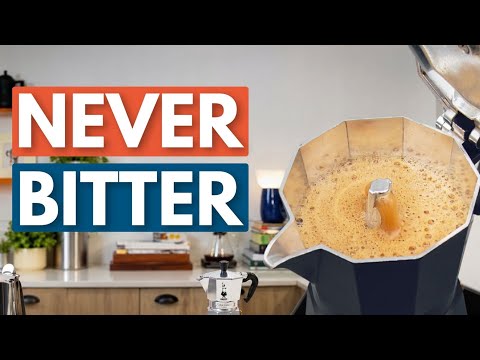
The Ultimate Technique for Perfect Moka Pot Coffee
Lance Hedrick|03. Okt.

The Ultimate Technique for Perfect Moka Pot Coffee

The Ultimate Technique for Perfect Moka Pot Coffee

This video presents a refined brewing method for the Moka pot (stovetop espresso maker), based on modern coffee science and the physics of the device. It aims to improve the traditional technique without losing its essence. Key points:

  • Water temperature: Start with room temperature water (exception: stainless steel Moka → ca. 50 °C). This prolongs extraction and gently releases volatile aromas at 50‑60 °C.
  • Grind size: Use a medium‑coarse to coarse grind (similar to a coarse V60). Finer grinds create too much pressure and push temperatures above 110 °C – harming flavor.
  • Dosage & ratio: Fill the basket level (not heaped). Water in the base just below the valve. A ratio of about 1:5 (water:coffee) in the base yields roughly 1:3 in the cup.
  • Aeropress filter: A paper filter on top of the coffee bed produces clearer coffee and removes sediment.
  • Active flow control: Once coffee emerges, briefly lift the pot from the heat or lower the heat to slow flow to about 1 gram per second. This keeps temperature lower and extraction even.
  • Avoid the Stromboli effect: Stop brewing before heavy sputtering (air bubbles in the riser tube). The final sputtering often adds bitterness and leathery notes – better to discard it.
  • Adjust aftertaste: If the Moka tastes too sour or intense, dilute with hot water. This reduces perceived acidity and unfolds aromas.

Conclusion: The classic Moka pot can produce exceptional coffee if you actively control temperature, start with cool water, and avoid over‑fine grinding. This technique requires attention but rewards you with a much better cup – even with light roasts.