Value Investing with Sven Carlin, Ph.D.
3 min read
Gold to $10k By 2030 - But How Much To Own Now?
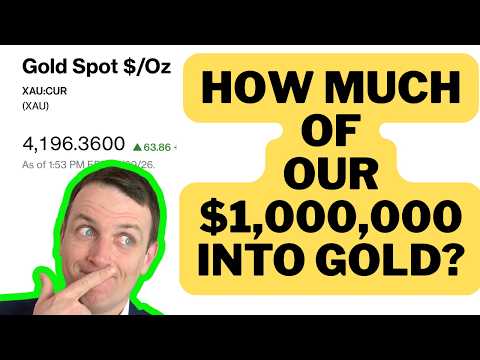
This video analyzes the role of gold in a $1 million portfolio, especially in light of the US debt crisis and potential economic collapse.
Historical Performance of Gold- Since the Nixon Shock (1971), gold has delivered an average 9 % return in dollars (nominal) and 5–6 % inflation-adjusted.
- It serves as an inflation hedge but is highly volatile, with euphoric peaks (e.g., 2011) followed by long downturns.
- The US is heading toward a debt crisis: currently $40 trillion in debt, projected $50 trillion by 2030, with annual interest costs of $1–2 trillion.
- Ray Dalio recommends at least 15 % of assets in gold as a hedge against a collapse of the dollar system.
- The speaker compares this to his own experiences with hyperinflation and currency reforms.
- Only partial protection: In a $100 portfolio with $15 in gold and $85 in stocks that drop 50 %, even a tripling of gold's value yields only $65 – a 35 % loss.
- No value creation: Gold produces nothing, incurs storage costs (e.g., 0.4 % ETF fees annually), and is subject to government confiscation (e.g., US gold ban in 1933 with prison sentences).
- Dependence on market sentiment: Retail investors often buy at euphoria peaks and sell in panic.
- Land: Provides rental income (e.g., 2.6 % yield) and can build more wealth over time through appreciation and reinvestment.
- Value Investing: Owning businesses with a margin of safety and dividends creates real added value – unlike a static gold coin.
- The speaker prefers value stocks and land over gold, as they offer higher long-term returns (15 % p.a. over the past 8 years).
- Short-term gut feeling: After the recent decline, gold is a buy again – medium-term targets of $6,000–8,000 are possible if interest rates fall and central banks print money.
- Rebalancing strategy: Maintain a fixed gold allocation of 15 %, selling when overweight and buying when underweight – but watch out for tax implications.
- Conclusion: Every investor must consider their personal situation and opportunity costs. Broad diversification (AI, value, bonds, gold) is recommended.