The Diary Of A CEO
2 min read
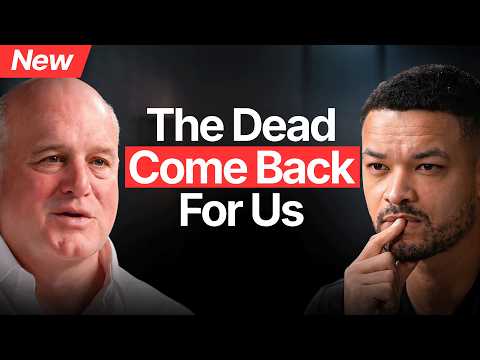
The Deathbed Doctor: Weeks Before Death, Patients Start Having Visions! | Dr Christopher Kerr
A Doctor Who Faces Death
- Dr. Christopher Kerr has spent 30 years as a hospice doctor and interviewed about 1,500 dying patients.
- His research shows nearly 90% experience intense dreams or visions, especially in their final weeks.
- These experiences feel completely real – patients rate them 10 out of 10 for realism.
- They often feature deceased loved ones, especially those who loved unconditionally; others are absent.
- These are not delirium: They are clear, organized and leave comfort rather than fear.
- About half occur while awake.
- Pain is not inevitable: Most pain can be managed; dying is far less painful than people fear.
- Stopping eating and drinking is natural and usually not distressing.
- Comfortable sleep is key – physically, psychologically and existentially.
Surveying dying patients reveals a clear priority list:
- Not being a burden
- Time with loved ones
- Pain and symptom management
- Peace with God / something larger
- Being mentally aware
- Dying at home
- Having care wishes respected
- Life having been meaningful
- Finances in order
- Resolving conflicts (ranked last)
- Medical students often overestimate regrets and legacy; dying patients focus on relationships, not achievement.
- How someone dies deeply shapes bereavement. Loved ones who witness end-of-life visions often grieve in a healthier way.
- Acceptance, presence, openness and love are protective.
- Central message: Love endures after physical loss.
- Children die differently: They accept more readily, often see animals or deceased caregivers, and show remarkable selfless concern for their families.
- Kerr believes these experiences point to something spiritual, not just brain chemistry.
- His book Death is but a Dream offers hope and meaning at life's end.
- Core takeaway: “The destination is always love.” We are made to be interconnected – in life and death.