Modern Healthspan
2 min read
The New Blood Test Defeating a Broken Medical Standard
The New Blood Test Defeating a Broken Medical Standard
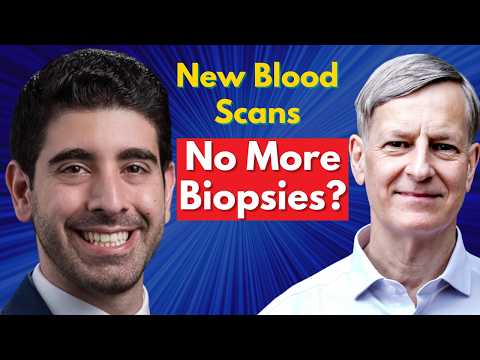
Dr. Tar Muhedi, an oncologist and chief medical officer of Palm Health, discusses the importance of early cancer detection and the limitations of current screening methods.
The Problem:
- Cancer is the second leading cause of death (about 20% of all deaths).
- Incidence is rising, especially in younger people (e.g., colon cancer in 20-year-olds).
- Existing screenings (mammograms, colonoscopies, Pap smears) are invasive, time-consuming, and cover only about 20% of cancer types.
The New Blood Test (Galleri):
- Based on DNA methylation patterns specific to different cancers.
- Detects 50 cancer subtypes via circulating tumor DNA.
- Advantage: Non-invasive, easier to perform, and can catch cancer early (often stage I).
Palm Health's Approach:
- Combines Galleri with traditional tumor markers, flow cytometry, urine tests, and whole-body MRI.
- An oncologist reviews all results to minimize false positives.
- Offers three tiers (covering 60, 100, or nearly all cancers).
- Available as a one-time test or annual screening.
Key Insights:
- A healthy lifestyle reduces risk but does not guarantee immunity – it does improve treatment tolerance.
- While not 100% perfect, the test provides much better early detection than current standards.
- Regular blood tests (e.g., annually) are recommended, while MRIs can be done less frequently.
Conclusion: Combining advanced blood tests with imaging could revolutionize cancer screening, helping detect tumors at curable stages.